Bliss Hospital Β· Dr. Dharmik Ahir

Anxiety Treatment in Ahmedabad β€” Calm Your Mind with Expert Care

Evidence-based anxiety treatment by Dr. Dharmik Ahir, MD Psychiatrist β€” NIMHANS Bangalore trained. Most patients see meaningful relief within 3 to 6 weeks of starting proper treatment.

Anxiety can be exhausting. The racing heart that won't slow down. The constant worry that runs in circles. The inability to switch off, even when nothing is wrong. The panic that strikes without warning, leaving you feeling like you're dying or going mad. The avoidance that quietly shrinks your world until you're not doing the things you used to enjoy. If any of this sounds familiar, you are not alone β€” and you do not have to live this way.

Here's the good news: anxiety disorders are among the most treatable conditions in modern psychiatry. At Bliss Hospital, Bapunagar, Dr. Dharmik Ahir offers science-backed anxiety treatment that addresses both the biology (brain chemistry) and the patterns (thoughts and behaviours) driving your anxiety. You don't have to live in a state of high alert. With proper treatment combining medication, CBT, and practical techniques, most patients see meaningful relief within just a few weeks β€” and many achieve complete remission. Your calm mind is closer than you think.
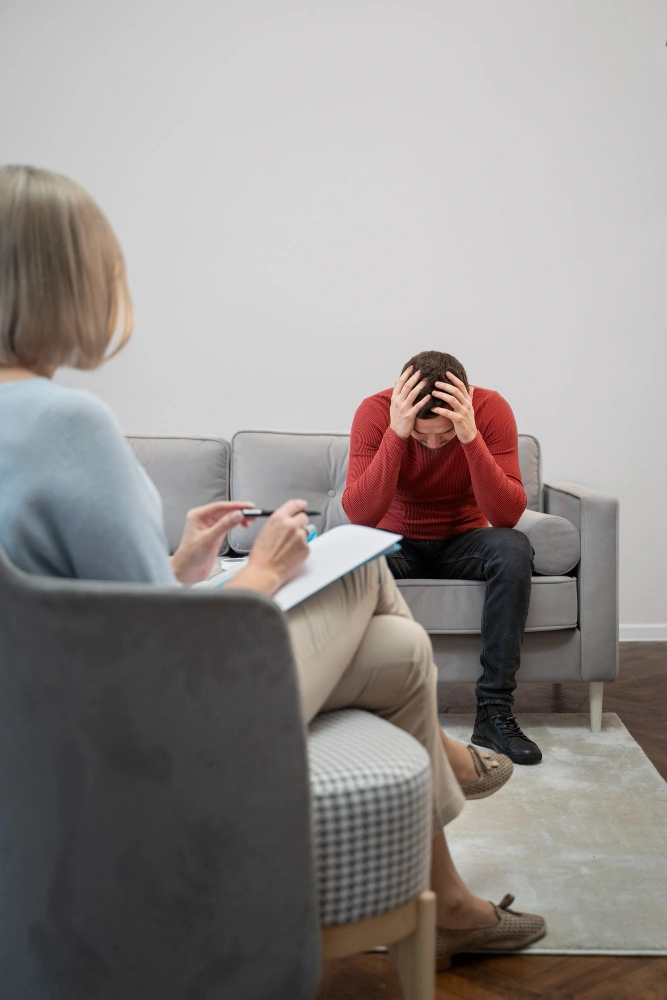
Not a weekend trip. Not a meditation app.
Real treatment. Real psychiatry.
Chronic stress is a medical condition. Treat it like one.
MD Psychiatrist + NIMHANS Trained
CBT β€” Gold Standard for Anxiety
Most Treatable Psychiatric Condition
Evening Slots for Working Professionals
100% Confidential
Anxiety treatment in Ahmedabad β€” Dr. Dharmik Ahir, MD Psychiatrist at Bliss Hospital, Bapunagar

Understanding Anxiety Disorders β€” When Worry Becomes a Medical Condition

Some anxiety is normal β€” even useful. It helps us prepare for exams, perform well in interviews, stay alert in dangerous situations. The problem isn't anxiety itself; it's anxiety that has become excessive, persistent, and disconnected from real danger. When worry interferes with daily life, when panic strikes without cause, when fear keeps you from doing things you want to do β€” that is an anxiety disorder, and it is a medical condition.

Anxiety disorders affect roughly 1 in 5 adults at some point in their lives β€” making them one of the most common mental health conditions worldwide. In India, anxiety is often masked by physical symptoms (chest pain, headaches, IBS, dizziness) and patients see multiple specialists before someone identifies what's actually happening. The brain's threat-response system has become too sensitive β€” perceiving danger where there is none and triggering full-body alarm responses. This is biology, not weakness.

“"I have patients who saw three cardiologists for chest pain, two gastroenterologists for IBS, and one ENT for dizziness β€” before someone finally suggested it might be anxiety. By then, they had spent years and considerable money on investigations that all came back normal. Anxiety is one of the great mimickers in medicine β€” and one of the most treatable."”

How Common Is Anxiety in Ahmedabad?

Far more common than most people realise. Generalised Anxiety Disorder alone affects roughly 6% of adults. Panic disorder affects another 2-3%. Social anxiety affects 7%. Specific phobias affect 9%. Many people have more than one anxiety condition simultaneously. Combined, anxiety disorders affect close to 20% of adults. The rising pressures of modern Indian life β€” work stress, financial pressure, social media comparison, exam stress, marital tension β€” have significantly increased these numbers in recent years.

The Difference Between Normal Worry and an Anxiety Disorder

Normal worry is proportionate, time-limited, and responsive to logic. You worry about an upcoming presentation, prepare for it, do the presentation, and the worry passes. An anxiety disorder is different β€” it is excessive, persistent (lasting weeks or months), disproportionate to actual threat, hard to control even with logic, and causes significant distress or impairment. If you find yourself worrying about things others find manageable, if anxiety is affecting your sleep or daily life, or if you're avoiding situations because of fear β€” it is worth evaluation.

Different Forms of Anxiety β€” Each With
Specific Treatment

Anxiety is not a single condition β€” there are several distinct anxiety disorders, each with its own pattern and requiring tailored treatment. Accurate diagnosis matters because what works for panic disorder isn't always right for generalised anxiety, and what helps social anxiety may not help phobias. Below are the main forms we treat at Bliss Hospital.

1. Generalised Anxiety Disorder (GAD)

1. Generalised Anxiety Disorder (GAD)

Chronic, excessive worry about everyday matters β€” work, family, finances, health, the future β€” that goes on for six months or more. People with GAD describe their minds as "never switching off." They worry even when nothing is wrong, often without specific triggers, and the worry feels uncontrollable. Physical symptoms include muscle tension, restlessness, fatigue, irritability, and sleep disturbance. GAD often co-exists with depression. It responds well to a combination of SSRI medication and CBT β€” most patients see significant improvement within 6 to 8 weeks.
2. Panic Disorder

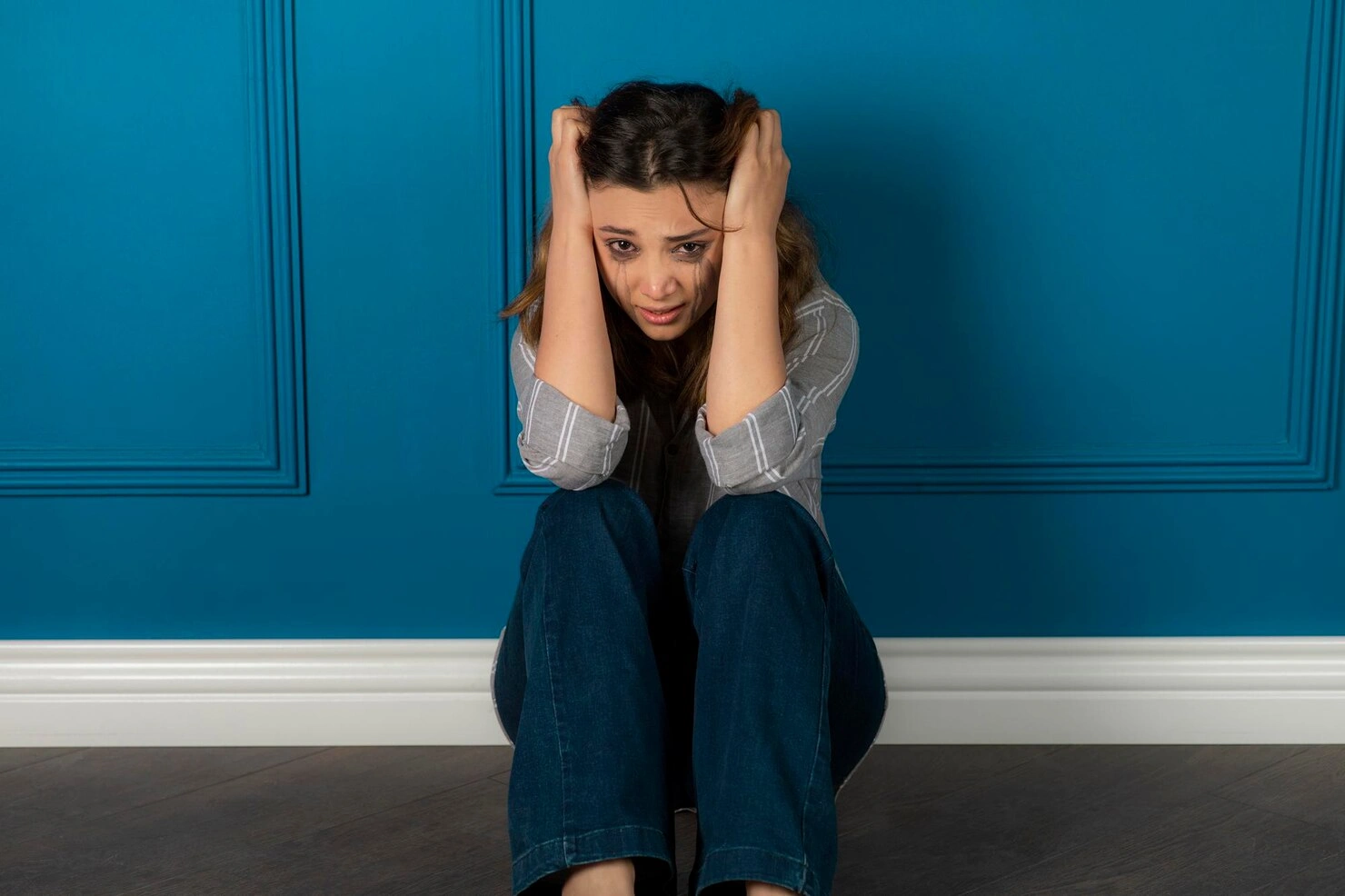
2. Panic Disorder

Recurring, unexpected panic attacks β€” sudden episodes of intense fear or discomfort that peak within minutes. Physical symptoms include racing heart, shortness of breath, chest tightness, dizziness, sweating, trembling, and a sense of unreality or impending doom. Many patients first present to emergency rooms convinced they're having a heart attack. After investigations come back normal, panic disorder becomes the diagnosis. Treatment is highly effective β€” SSRIs reduce panic attack frequency, while CBT teaches you to manage attacks when they occur. Many patients become entirely panic-free with proper treatment.

3. Social Anxiety Disorder

3. Social Anxiety Disorder

Intense fear of social situations β€” meeting new people, public speaking, eating in public, being watched while doing a task. People with social anxiety fear being judged, embarrassed, or humiliated. The condition often shows up first in school or college, affecting career and relationships. Many people with social anxiety are mistakenly labelled "shy" β€” but social anxiety is far beyond shyness; it causes genuine distress and avoidance. Treatment combining SSRIs, CBT, and gradual exposure therapy produces dramatic improvement in most

4. Specific Phobias

4. Specific Phobias

Intense, irrational fear of specific objects or situations β€” heights, flying, closed spaces, needles, blood, animals, driving. The fear is recognised as excessive but feels impossible to overcome. Avoidance is the hallmark β€” people will arrange their lives around avoiding the feared situation. Specific phobias respond exceptionally well to exposure therapy β€” often in surprisingly few sessions. Many patients with lifelong phobias become essentially phobia-free with structured CBT.
5. Agoraphobia

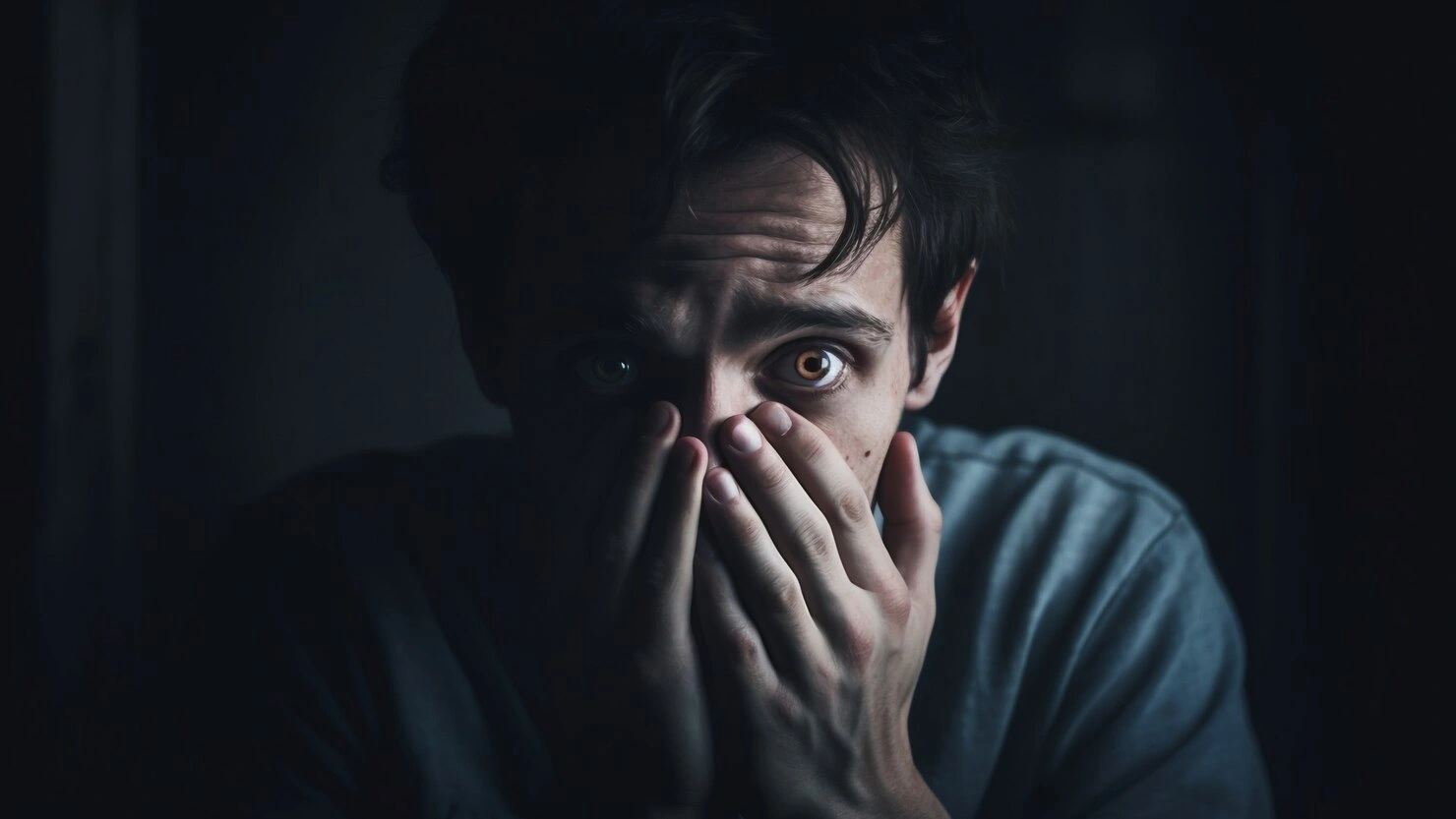
5. Agoraphobia

Fear of being in situations where escape might be difficult or help unavailable if a panic attack occurs β€” crowded places, public transport, open spaces, leaving home. In severe cases, people become housebound. Agoraphobia often develops after one or more frightening panic attacks. Treatment combines medication with graded exposure therapy and is highly effective when started early.
6. Health Anxiety (Hypochondriasis)

6. Health Anxiety (Hypochondriasis)

Persistent fear of having a serious illness, despite medical reassurance. People with health anxiety often spend hours researching symptoms online, frequently visit doctors, undergo unnecessary investigations, or alternatively avoid medical care altogether because of fear. The cycle is exhausting and expensive. Treatment focuses on CBT and where helpful, SSRI medication. Most patients learn to manage their health concerns without the spiral into excessive worry.

7. Performance Anxiety

7. Performance Anxiety

Fear of failure during specific situations β€” exams, public speaking, sports performance, sexual performance, work presentations. Performance anxiety is highly responsive to CBT and short-term medication where needed (especially beta-blockers for physical symptoms, used before specific events). Students preparing for board exams, NEET, JEE, or competitive exams often benefit significantly.

8. Mixed Anxiety-Depressive Disorder

8. Mixed Anxiety-Depressive Disorder

Many patients have features of both anxiety and depression simultaneously without clearly meeting full criteria for either alone. This is more common than "pure" anxiety or "pure" depression. Treatment addresses both dimensions together β€” SSRIs work for both, as does CBT.

Visit Depression Treatment Page

How Anxiety Shows Up β€” Physical,
Emotional, and Mental Symptoms

Anxiety affects the whole body, not just the mind. Many patients are surprised to learn that their physical symptoms are anxiety-related β€” they expected anxiety to feel "emotional," but it actually produces extensive physical effects. Below are the common symptoms, grouped by category.

🩺

Physical Symptoms

Racing heart or pounding heartbeat (palpitations) Shortness of breath, feeling unable to breathe properly Chest pain or tightness (often mistaken for heart problems) Sweating, hot flushes, or chills Trembling or shaking, restless legs Dizziness, lightheadedness, feeling faint Nausea, stomach pain, IBS-like symptoms Muscle tension β€” jaw clenching, shoulder pain, headaches Tingling or numbness in hands, face, or feet Dry mouth, difficulty swallowing, "lump in throat" Frequent urination
❀️

Emotional Symptoms

Constant worry, dread, or feeling "on edge" Feeling that something bad is about to happen Sudden waves of fear or panic Irritability, frustration, short temper Feeling overwhelmed by minor decisions Feeling disconnected from yourself or surroundings (depersonalisation/derealisation)
🧠

Cognitive (Mental) Symptoms

Racing thoughts, mind that won't stop Difficulty concentrating or focusing on tasks Mind going blank during important moments Catastrophic thinking β€” imagining worst-case scenarios Difficulty making decisions Excessive seeking of reassurance from others Repeated checking behaviours
🚢

Behavioural Signs

Avoiding situations, places, or people that trigger anxiety Procrastination on important tasks Sleep disturbance β€” difficulty falling asleep, frequent waking Increased alcohol, smoking, or other substance use to cope Withdrawal from social activities Increased reliance on "safety behaviours" or rituals

How We Treat Anxiety at Bliss Hospital β€” Step by Step

Anxiety treatment is structured, evidence-based, and tailored to your specific type of anxiety. Here is how the treatment journey unfolds.

01

Comprehensive Evaluation

Your first visit lasts 45 to 60 minutes. Dr. Ahir conducts a detailed history, identifies the specific type(s) of anxiety you're experiencing, evaluates severity and impact on daily life, screens for co-existing conditions (depression, sleep disorder, substance use), and rules out medical causes that mimic anxiety (hyperthyroidism, cardiac issues, vitamin deficiencies). Basic investigations are ordered where appropriate. The aim is accurate diagnosis the first time β€” because different anxiety disorders need different approaches.

02

Medication (Where Appropriate)

For moderate-to-severe anxiety, medication significantly accelerates improvement. The first-line treatments are SSRIs (Sertraline, Escitalopram, Paroxetine) and SNRIs (Venlafaxine, Duloxetine) β€” both effective, safe, and non-addictive. These are the same antidepressants used for depression because they work on the same brain chemistry β€” but at slightly different doses and with somewhat different time courses. For acute anxiety, short-term benzodiazepines may be used very carefully and briefly (these are addictive with long-term use, so we use them sparingly). For specific situations (performance anxiety, fear of flying), beta-blockers can help control physical symptoms.

03

Cognitive Behavioural Therapy (CBT)

CBT is the gold-standard psychotherapy for all anxiety disorders. It works by identifying the thinking patterns and behaviours that maintain anxiety, then systematically replacing them with healthier alternatives. CBT for anxiety typically runs 8 to 16 sessions and produces lasting results β€” you learn skills you keep for life. For phobias and panic disorder, exposure therapy is incorporated β€” gradual, structured confrontation of feared situations that systematically reduces the anxiety response.

04

β€” Practical Techniques

You learn practical, immediately-usable techniques: controlled breathing (especially helpful during panic attacks), progressive muscle relaxation, grounding techniques (5-4-3-2-1 sensory grounding), mindfulness basics, and how to interrupt anxiety spirals before they peak. These tools work within minutes and can be used anywhere β€” work, classroom, social situations, in bed at night. Many patients tell us these tools alone change their relationship with anxiety dramatically.

05

Lifestyle Changes

Certain lifestyle factors significantly affect anxiety: caffeine (a major anxiety trigger that many patients hadn't connected), alcohol (worsens anxiety despite short-term "calming" effects), sleep deprivation, sedentary lifestyle, excessive social media and screen time, and irregular meal patterns. We discuss these practically β€” not as moralising lectures, but as evidence-based components of recovery. Small changes here often produce substantial anxiety reduction.

06

Follow-Up & Long-Term Care

Most patients notice improvement within 3 to 4 weeks of starting medication, with significant improvement by 6 to 8 weeks. Follow-ups at 2 weeks, then monthly, then less frequently as you stabilise. For first-episode anxiety, treatment typically continues 9 to 12 months. For recurrent or severe anxiety, longer treatment may be appropriate. Tapering is always gradual and supervised. Online follow-up consultations are available.

Why Patients in Ahmedabad Choose
Bliss Hospital for Anxiety Care

Choosing the right psychiatrist is one of the most important medical decisions a family can make. Here is what makes Bliss Hospital genuinely different.

πŸŽ“

1. NIMHANS Bangalore Trained Psychiatrist

Dr. Dharmik Ahir is MD-qualified with NIMHANS Bangalore certifications in evidence-based behavioural therapies β€” directly applicable to anxiety treatment. NIMHANS training is the gold standard in India.

🚨

2. Medication + CBT Under One Specialist

Anxiety treatment works best when medication and therapy are coordinated. Dr. Ahir provides both personally β€” no need to coordinate between separate doctor and therapist. One specialist, one treatment plan.

πŸ₯

3. Most Treatable Psychiatric Condition

Anxiety disorders are highly responsive to treatment. Most patients see meaningful relief within 3 to 6 weeks. Many achieve complete remission with proper care. The recovery rates are genuinely excellent.

πŸ›οΈ

4. Evening Slots for Working Professionals

OPD runs until 9 PM Mon-Sat. Sunday morning slots available. Online consultations for follow-ups. We specifically accommodate working professionals β€” your treatment shouldn't require you to take leave.

πŸ”’

5. Conservative Medication Approach

We use non-addictive SSRIs as first-line. Benzodiazepines (which can be addictive) are used very sparingly and briefly. No casual long-term sedative prescriptions. Your safety is the priority.

🎯

6. Practical Techniques That Work Immediately

Patients leave their first visit with practical anxiety-management techniques they can use the same day. Medication takes weeks; practical tools work in minutes. We give you both.

When Should You See a Psychiatrist for Anxiety?

Many people live with anxiety for years thinking it's just their personality or that they should be able to manage it on their own. The cost of waiting is significant β€” anxiety often gets worse without treatment, expands into more situations, and damages work, relationships, and quality of life. Earlier treatment means faster recovery.

“Anxiety is one of the most responsive mental health conditions to treatment. Don't wait years. Call 7046001500 today β€” the first conversation is unhurried and judgement-free.”

Please Seek Anxiety Evaluation If:

βœ“

Worry, panic, or fear has persisted for several weeks or longer

βœ“

Anxiety is affecting your work, studies, or daily functioning

βœ“

You're avoiding situations, places, or activities because of anxiety

βœ“

You're experiencing panic attacks β€” sudden waves of intense fear

βœ“

Sleep is significantly disturbed by worry

βœ“

Physical symptoms (chest pain, dizziness, IBS, headaches) have been medically investigated without clear cause

βœ“

You've been to multiple specialists with no diagnosis explaining your symptoms

βœ“

You're using alcohol or substances to manage anxiety

βœ“

Relationships are being affected

βœ“

Anxiety has been triggered by a specific event and isn't settling

Frequently Asked Questions About Anxiety Treatment

Some anxiety is normal β€” even useful. It becomes a disorder when it is excessive, persistent (weeks or months), disproportionate to actual threat, hard to control, and significantly affects daily life. If you're worrying about things others find manageable, avoiding situations because of fear, or experiencing physical symptoms (racing heart, dizziness, IBS) with no medical cause β€” it may be an anxiety disorder. Evaluation can clarify this.

The first-line anxiety medications β€” SSRIs like Sertraline and Escitalopram β€” are not sedating and not addictive. They are safe for long-term use under supervision. Some patients experience mild drowsiness in the first 1-2 weeks but this typically fades. Benzodiazepines (Alprazolam, Clonazepam) can be addictive with long-term use, so we use them very sparingly β€” only briefly, for severe acute anxiety, never as first-line long-term treatment.

Most patients notice initial improvement within 3 to 4 weeks of starting medication, with meaningful relief by 6 to 8 weeks. For a first episode, total treatment typically lasts 9 to 12 months β€” including a stable maintenance phase. CBT therapy alone (without medication) for anxiety usually runs 8 to 16 sessions over 3 to 4 months. Many patients become essentially anxiety-free with proper treatment.

Mild-to-moderate anxiety often responds well to CBT alone β€” sometimes producing as much improvement as medication for these severity levels. For moderate-to-severe anxiety, the combination of CBT and medication usually produces faster and stronger improvement than either alone. The choice is discussed openly with you and based on your specific situation. We never push medication when therapy alone is appropriate.

During a panic attack: (1) Recognise it as a panic attack β€” knowing what it is reduces the fear. (2) Use slow controlled breathing β€” breathe out longer than you breathe in. (3) Ground yourself with the senses β€” name 5 things you see, 4 you can touch, 3 you hear, 2 you smell, 1 you taste. (4) Remind yourself it will pass β€” most panic attacks peak within 5-10 minutes and resolve within 20-30. (5) Don't fight the symptoms; let them pass through you. With proper treatment, panic attacks become rarer and milder over time.

There is a genetic component β€” anxiety disorders tend to run in families. If parents or siblings have anxiety, your risk is somewhat higher. However, genetics is not destiny β€” environmental factors, life experiences, parenting style, and learned thinking patterns also matter significantly. Even with strong family history, treatment is effective. Genetic predisposition doesn't mean you have to live with anxiety untreated.

For many patients, anxiety doesn't return after proper treatment β€” particularly if you've learned CBT skills you can apply for life. Some patients have recurrent anxiety that benefits from longer-term treatment. We discuss this individually, taper medication gradually, and provide skills for managing any future flare-ups. Even if anxiety returns, it typically responds to treatment again quickly.

Absolutely. Every consultation at Bliss Hospital is strictly confidential. Your identity, diagnosis, medical records, and conversations are never shared with anyone β€” including family members or employers β€” without your written consent. Discreet billing is available on request.

Yes, most patients continue working throughout treatment, and many find their work performance improves significantly once treatment starts working. For severe anxiety, brief medical leave may be appropriate. Online follow-up consultations make treatment compatible with demanding work schedules. We never recommend stopping work unless clinically necessary.

Trust your instincts. "Just stress" is often clinical anxiety that hasn't been recognised. If symptoms have lasted weeks, are causing significant distress, or are affecting your life β€” a psychiatric evaluation can clarify whether what you're experiencing is normal stress or an anxiety disorder. There's no harm in a single evaluation visit, and clarity itself is valuable. Call 7046001500 to book.

Related Mental Health Conditions and Treatments

Anxiety frequently co-exists with or connects to other mental health conditions. Bliss Hospital provides integrated care across all these areas.

🌧️

Depression Treatment

Anxiety and depression frequently occur together β€” around 60% overlap. Combined treatment is usually more effective than treating each separately.

Visit Depression Treatment Page
πŸ’š

OCD Treatment

OCD is technically classified as an anxiety-related disorder. If you experience intrusive thoughts and compulsive behaviours alongside anxiety, OCD may be the more specific diagnosis.

Visit OCD Treatment Page
πŸŒ™

Insomnia & Sleep Disorders

Anxiety is one of the most common causes of insomnia. Treating the underlying anxiety usually improves sleep dramatically. Where insomnia persists, CBT-I provides drug-free first-line care.

Visit Insomnia Page
🧠

Stress Management

Chronic stress is a major contributor to anxiety. Structured stress management techniques complement anxiety treatment significantly.

Visit Stress Management Page
πŸ§’

CBT Therapy

CBT is the gold-standard psychotherapy for anxiety. For mild-to-moderate anxiety, it can be the primary treatment. For severe anxiety, it works powerfully alongside medication.

Visit CBT Therapy Page
Start Your Healing Journey

Your Calm Mind Is Closer Than You Think

Anxiety is one of the most treatable mental health conditions. Most patients see meaningful relief within just a few weeks.

You don't have to keep living in a state of high alert. Anxiety responds quickly and well to proper treatment β€” medication, CBT, and practical techniques together produce significant improvement faster than most patients expect. The first conversation is unhurried, judgement-free, and often the most relief you've felt in months. Whether your anxiety is mild and persistent or full-blown panic β€” Bliss Hospital is built to help.